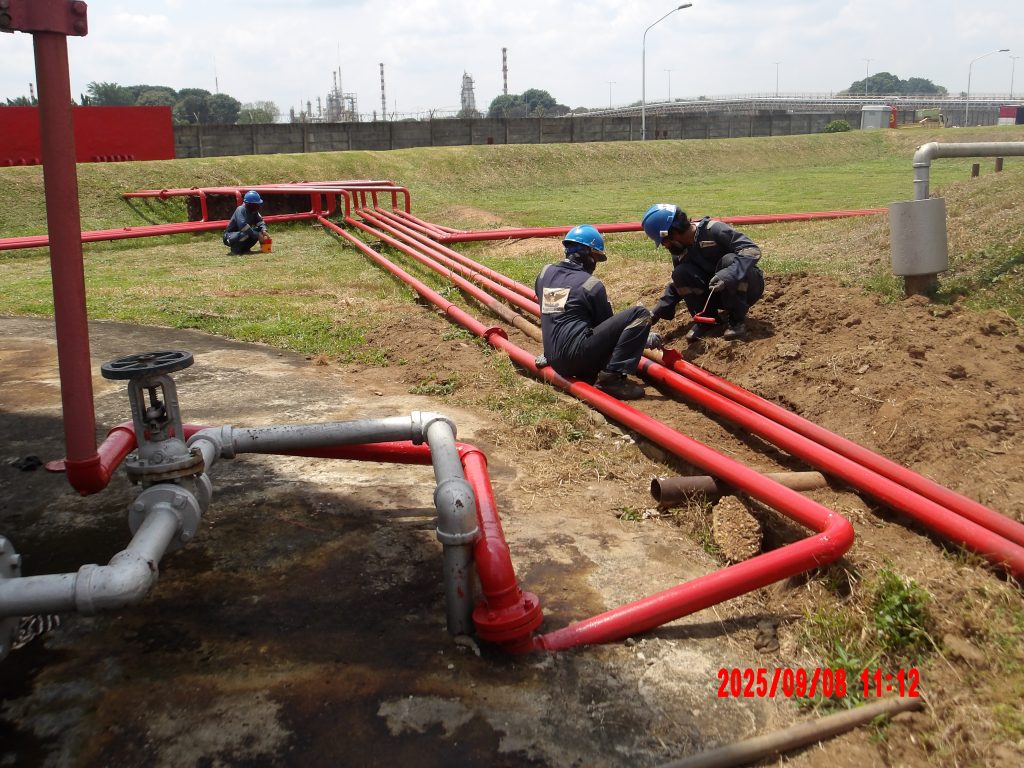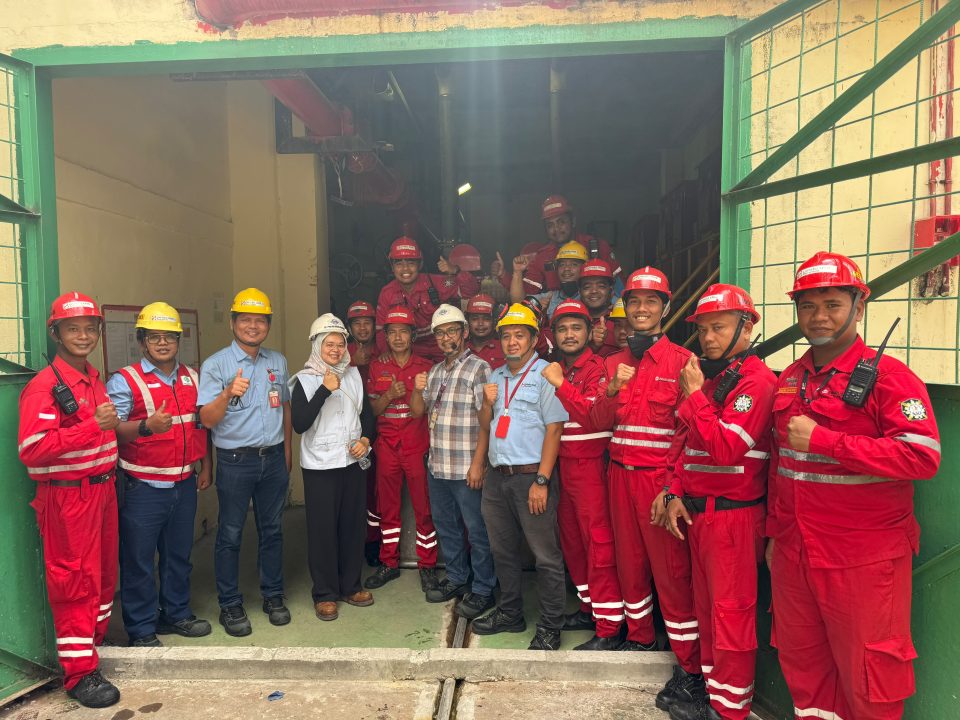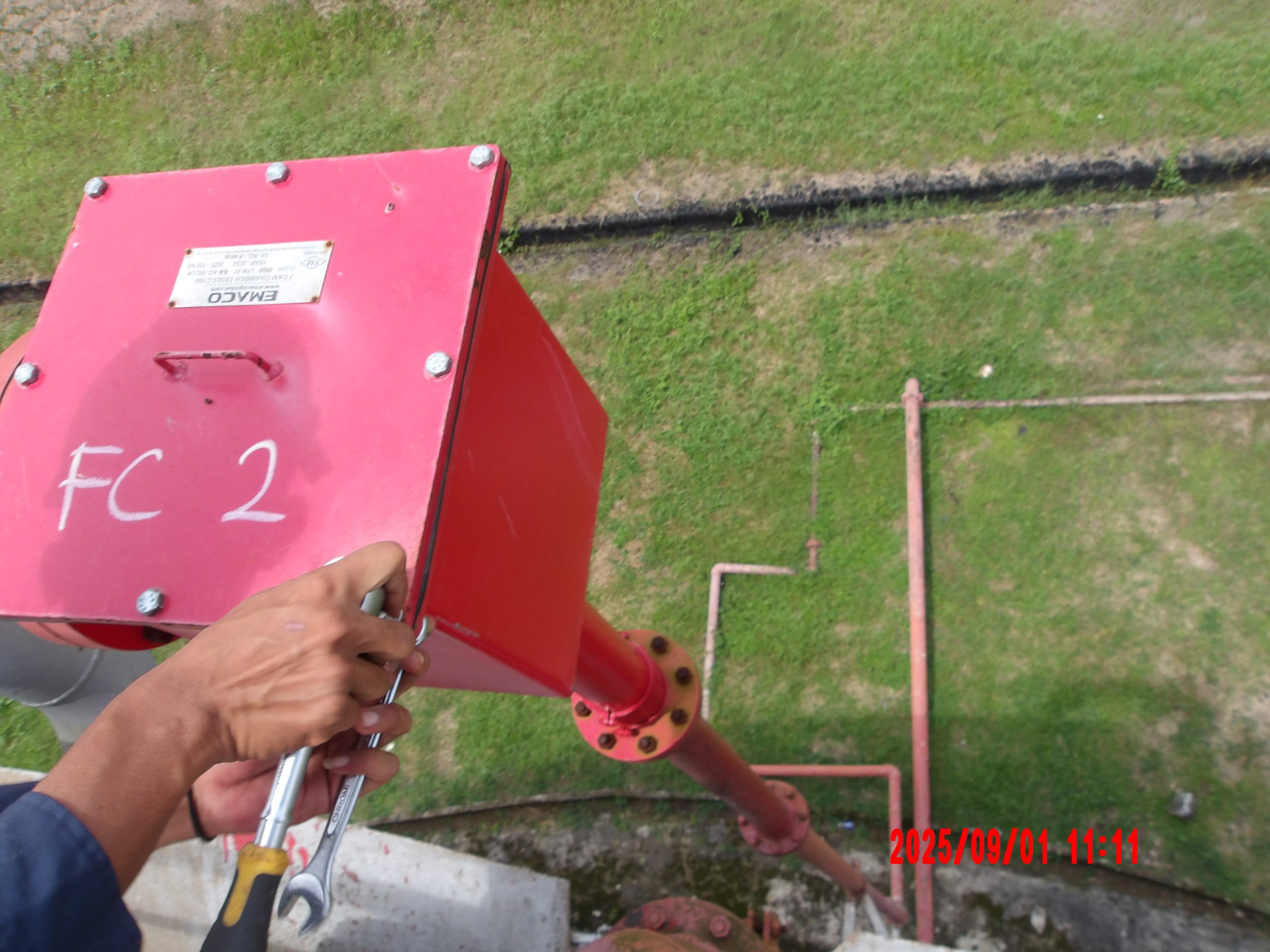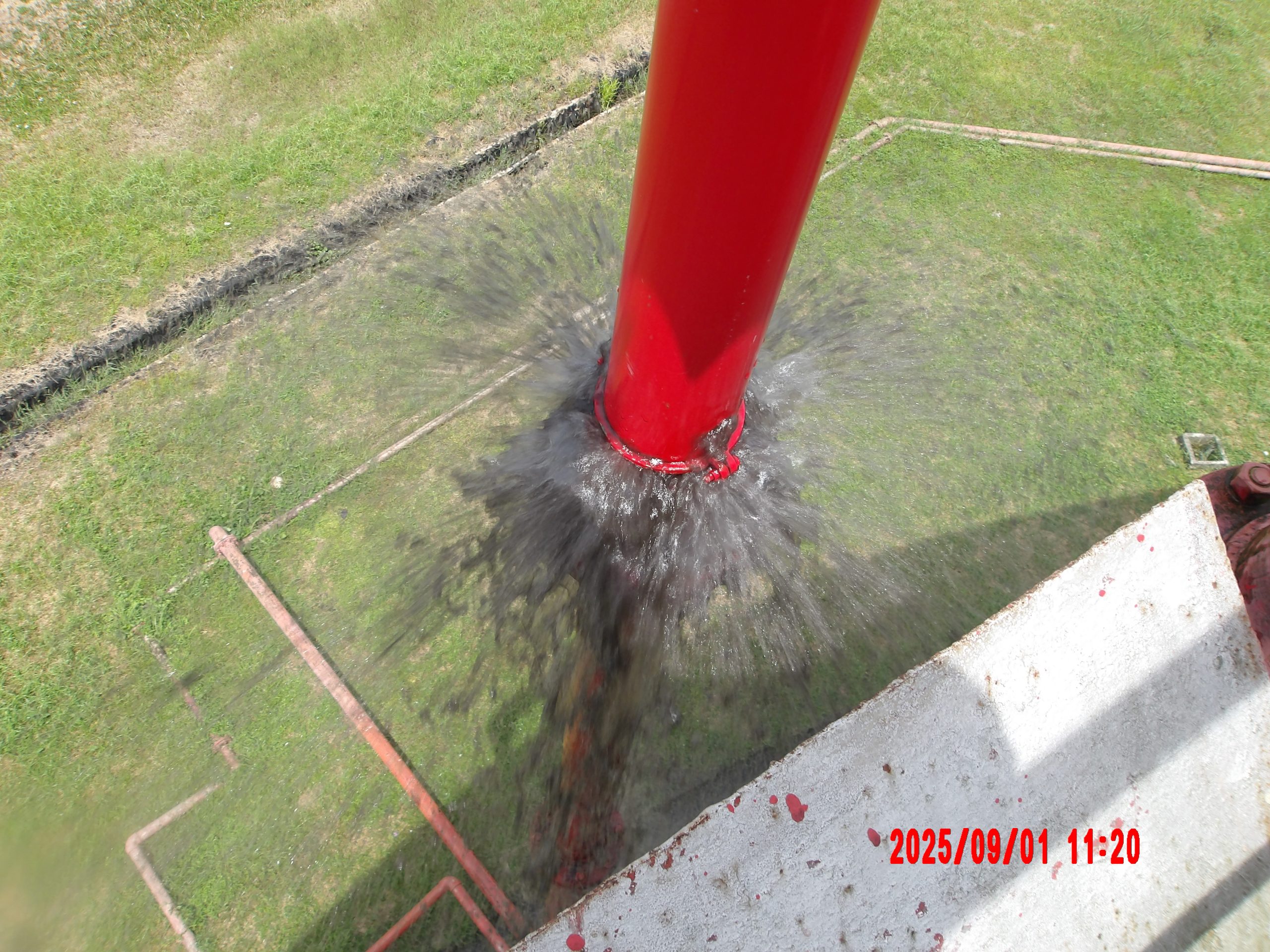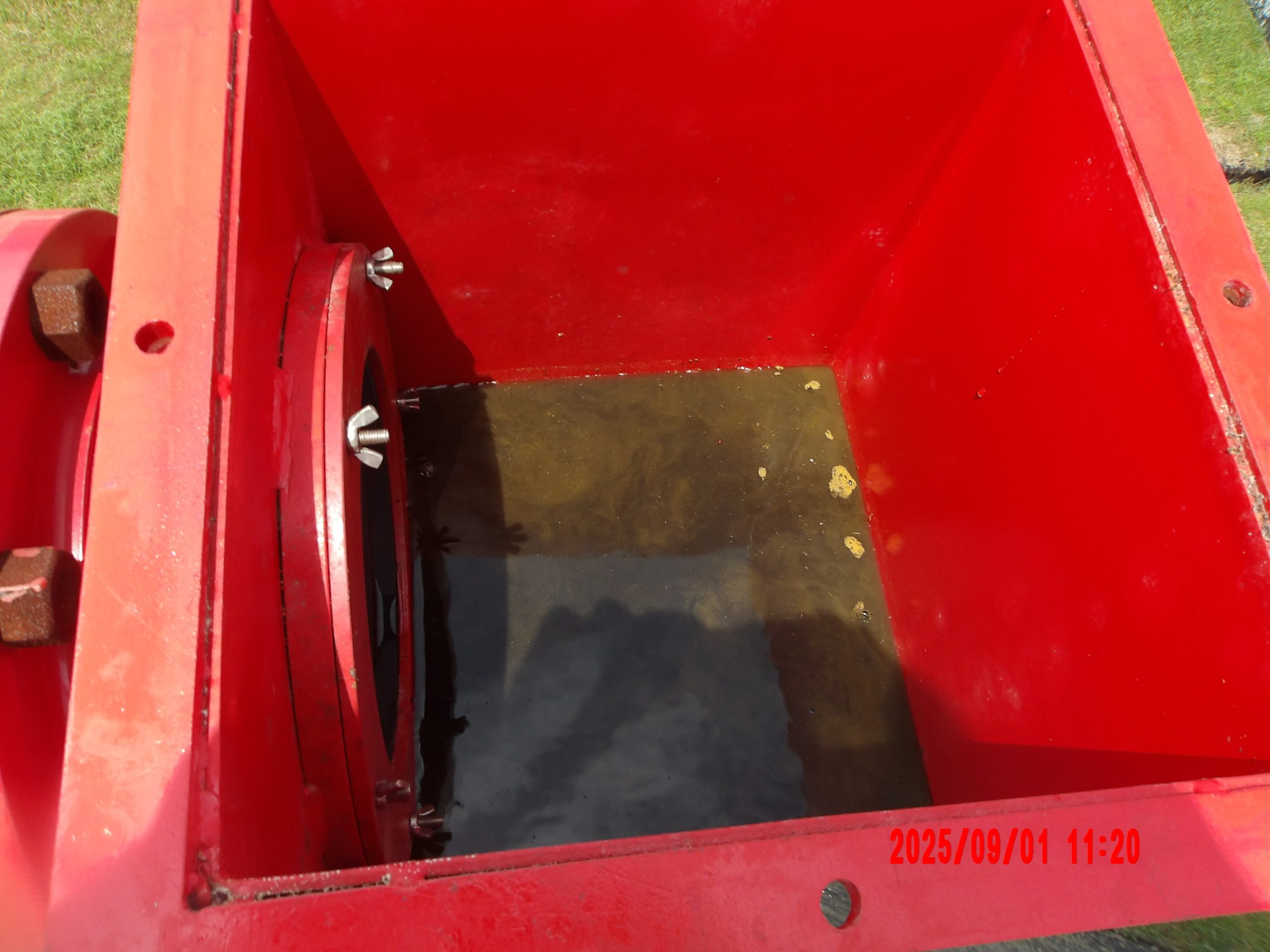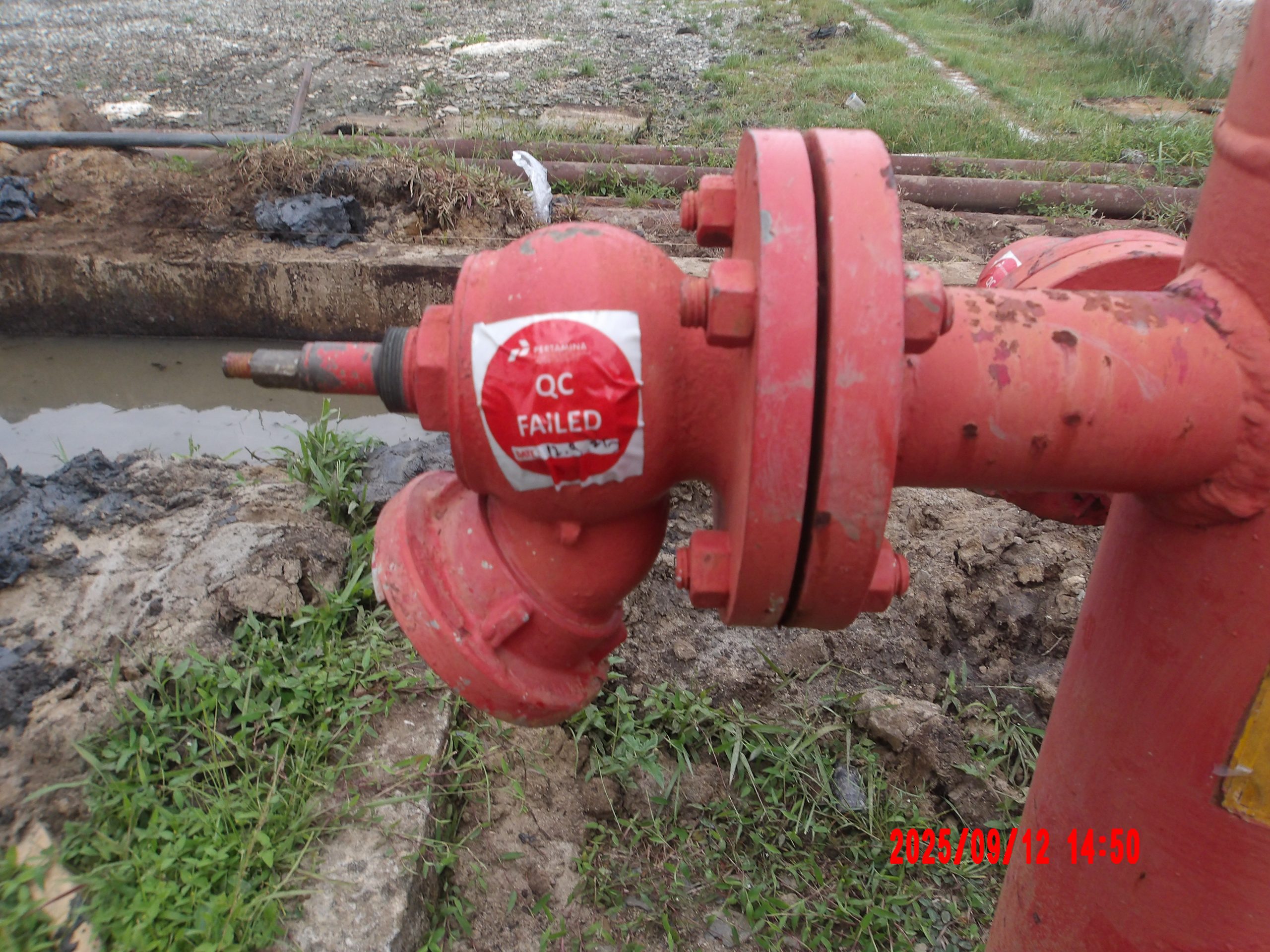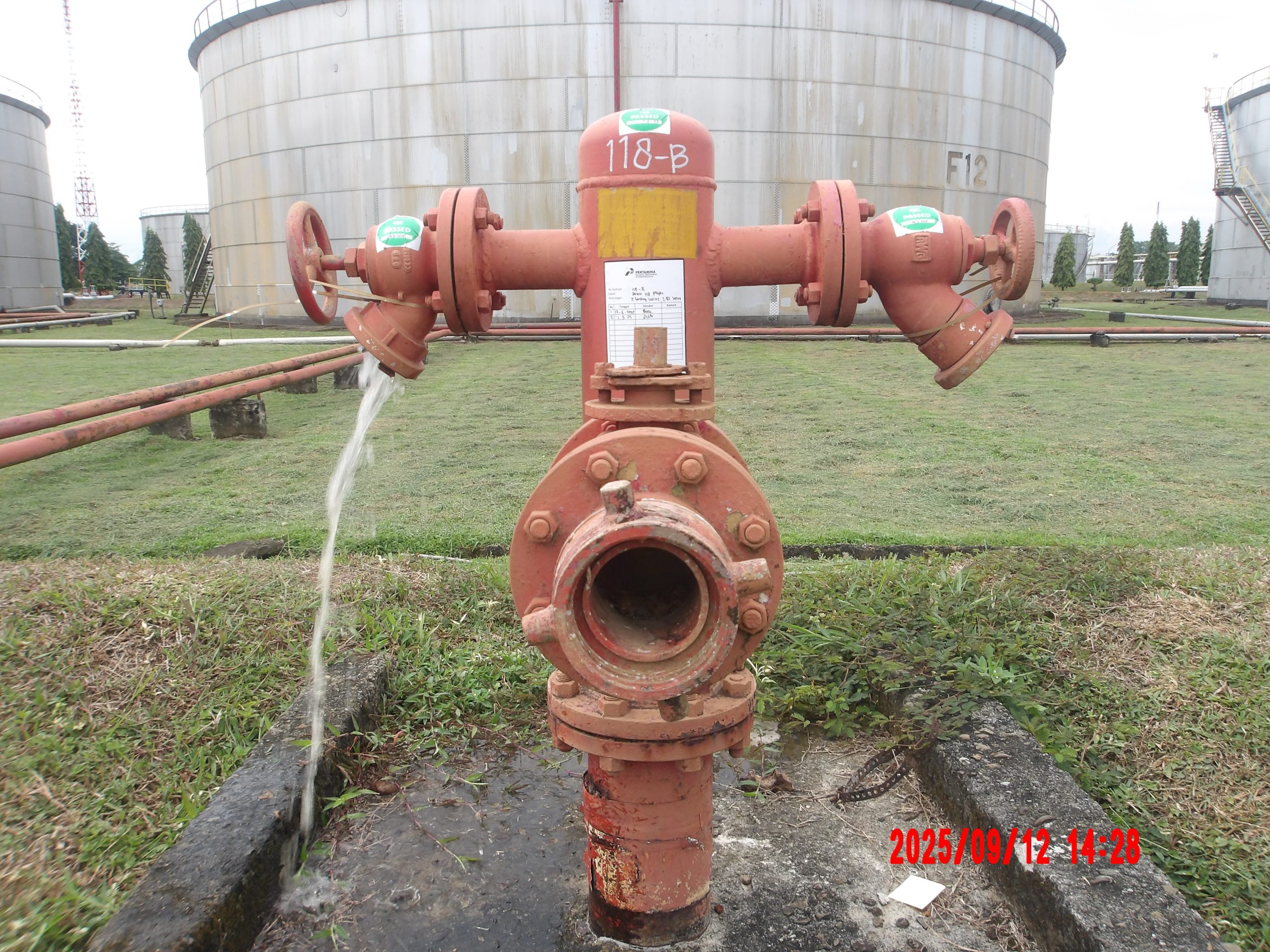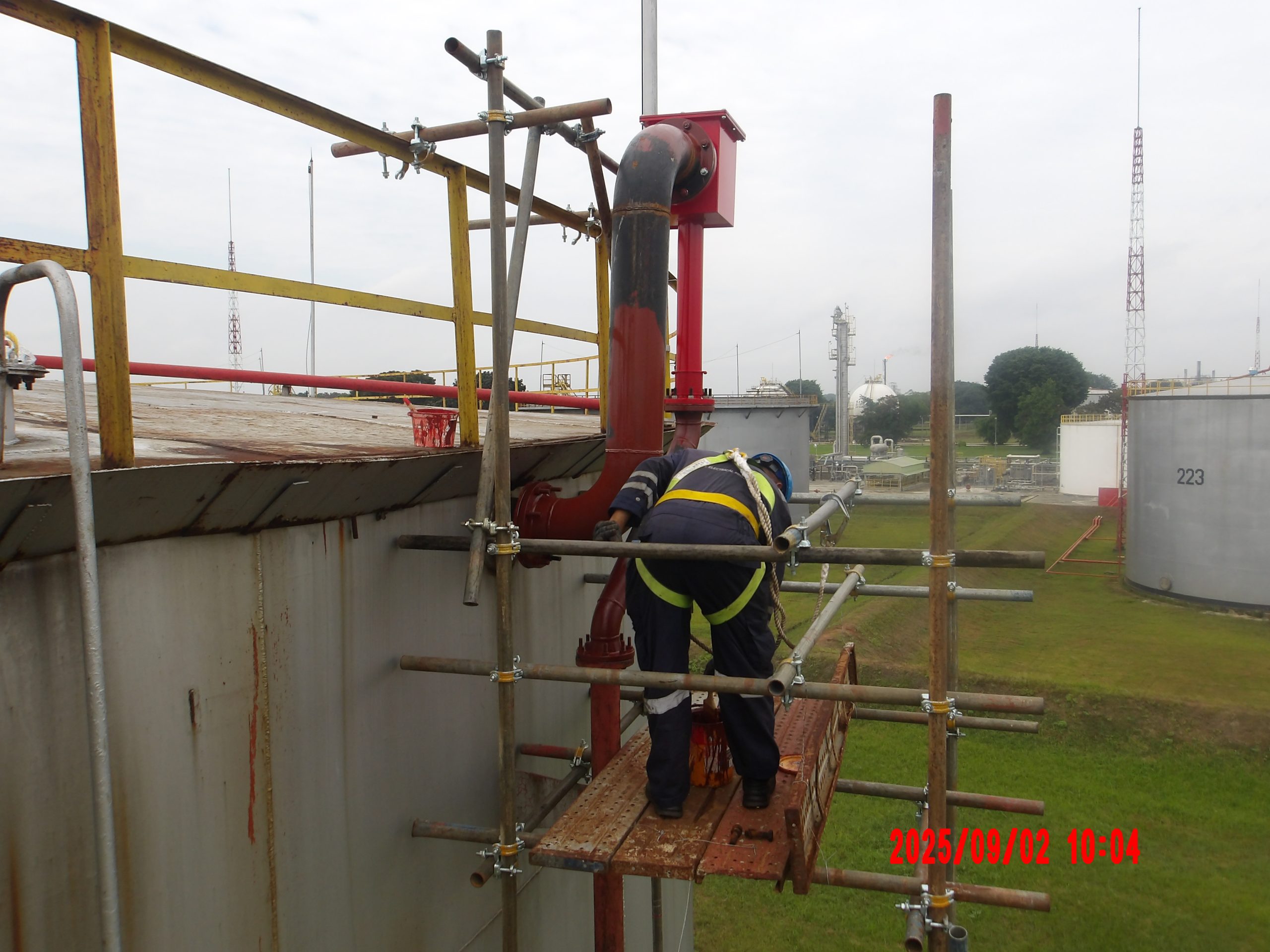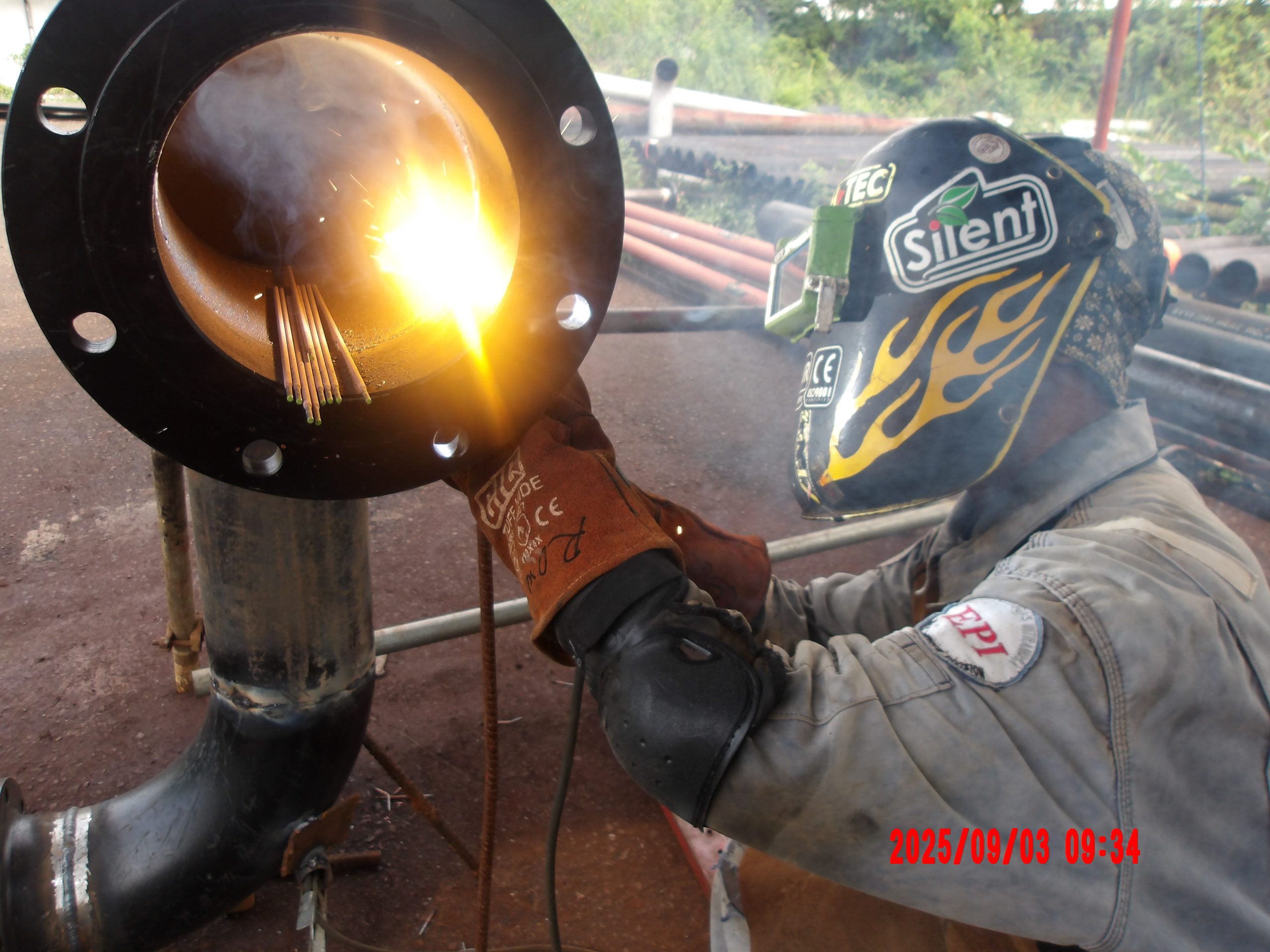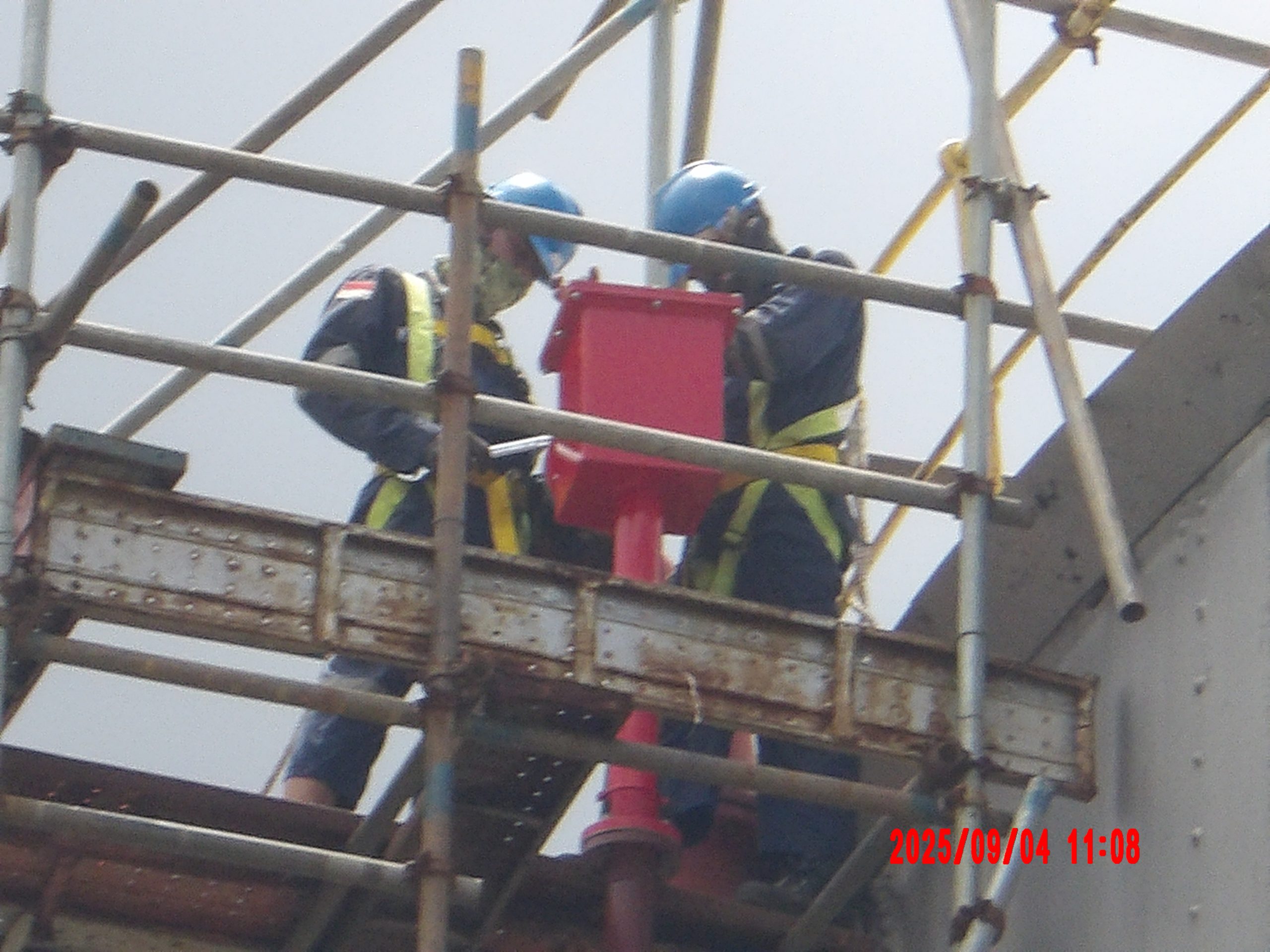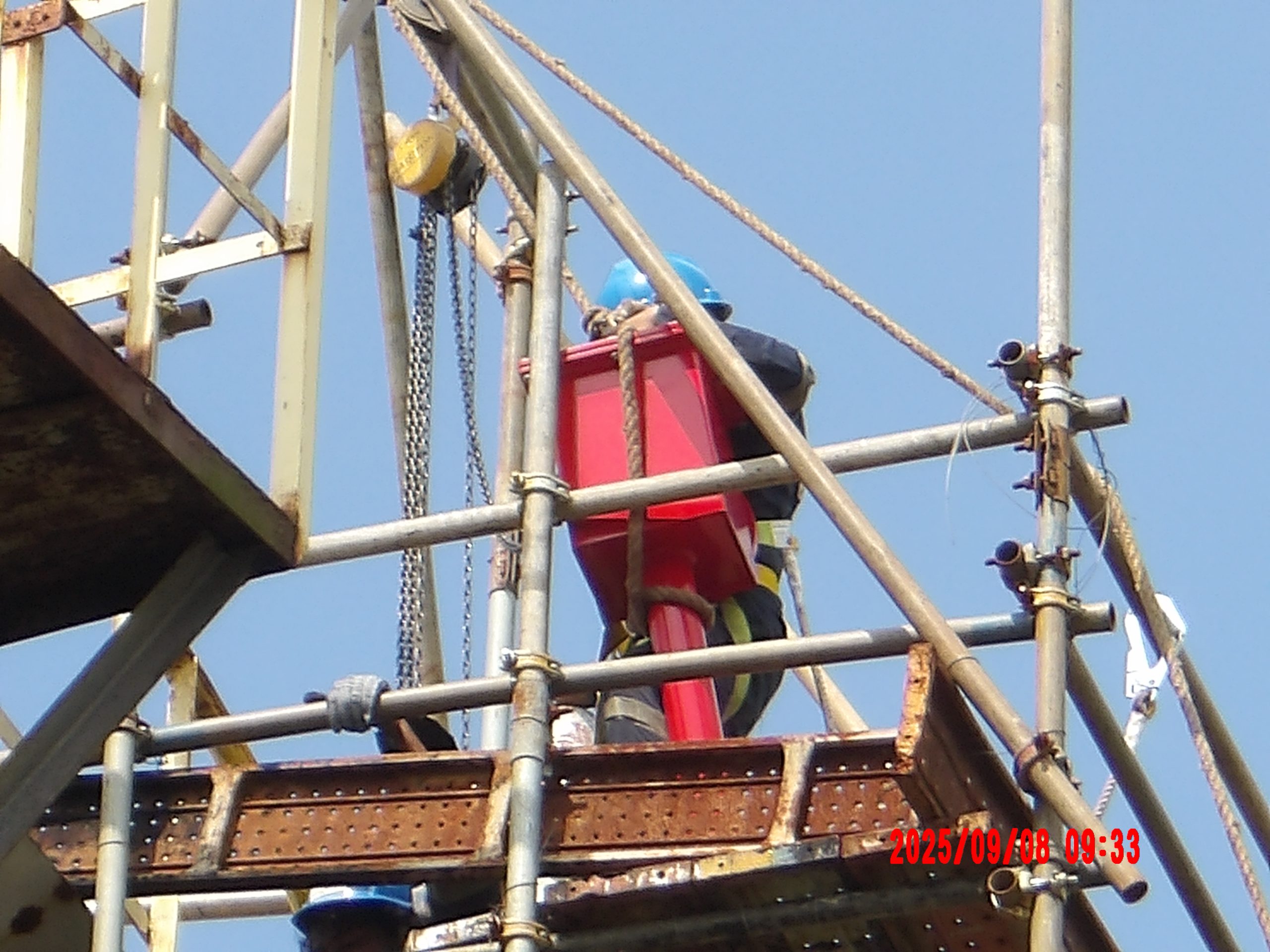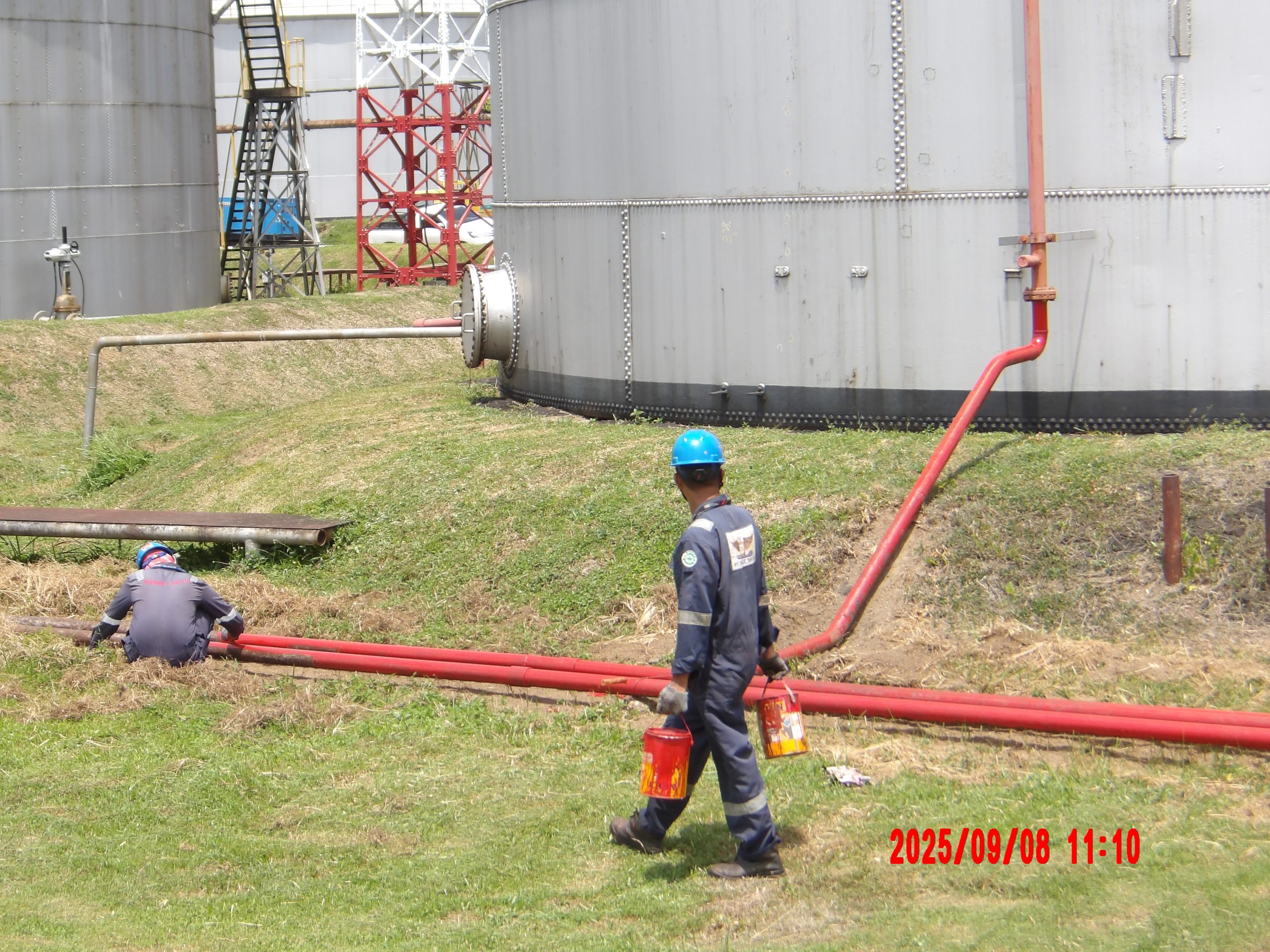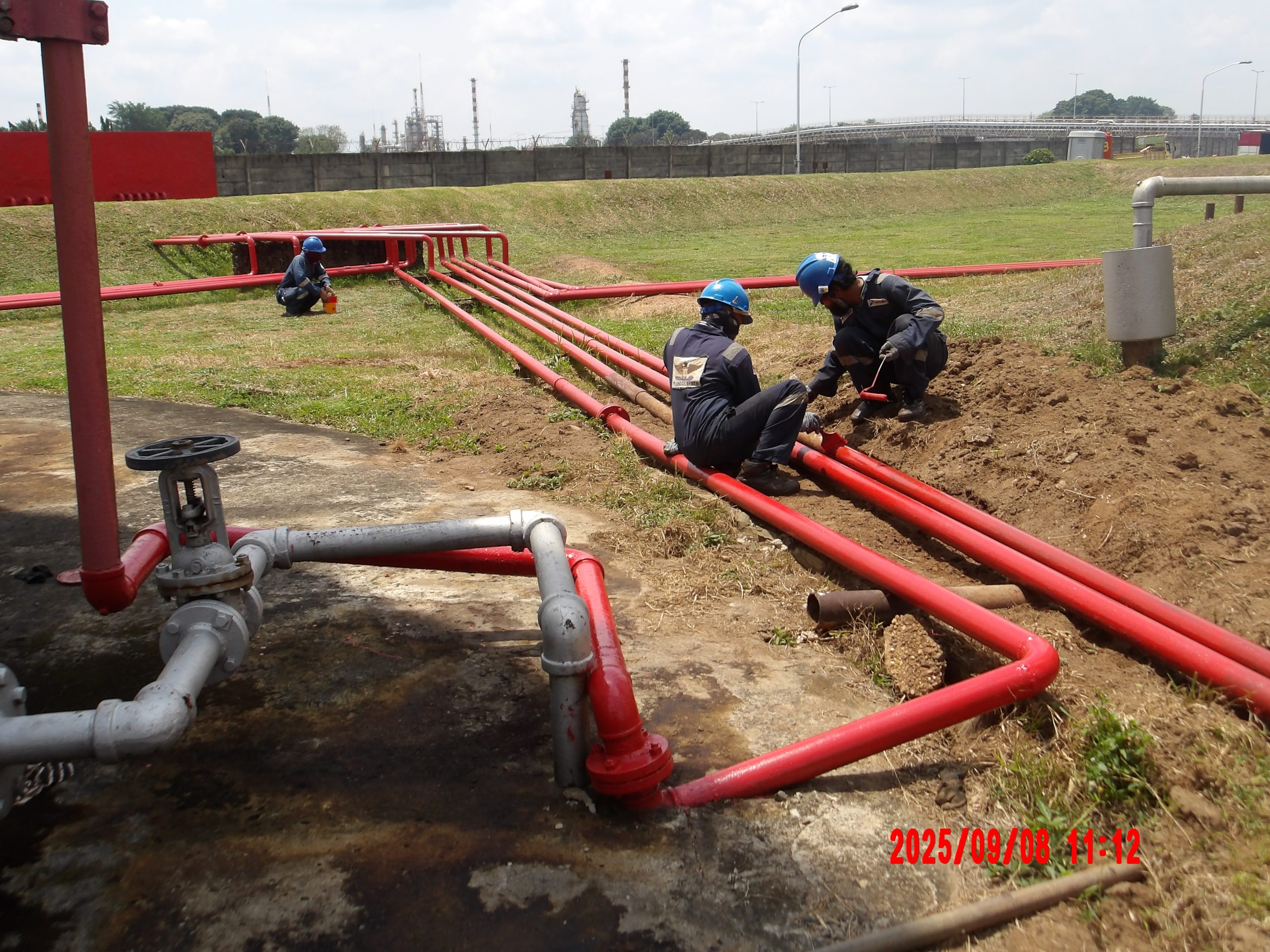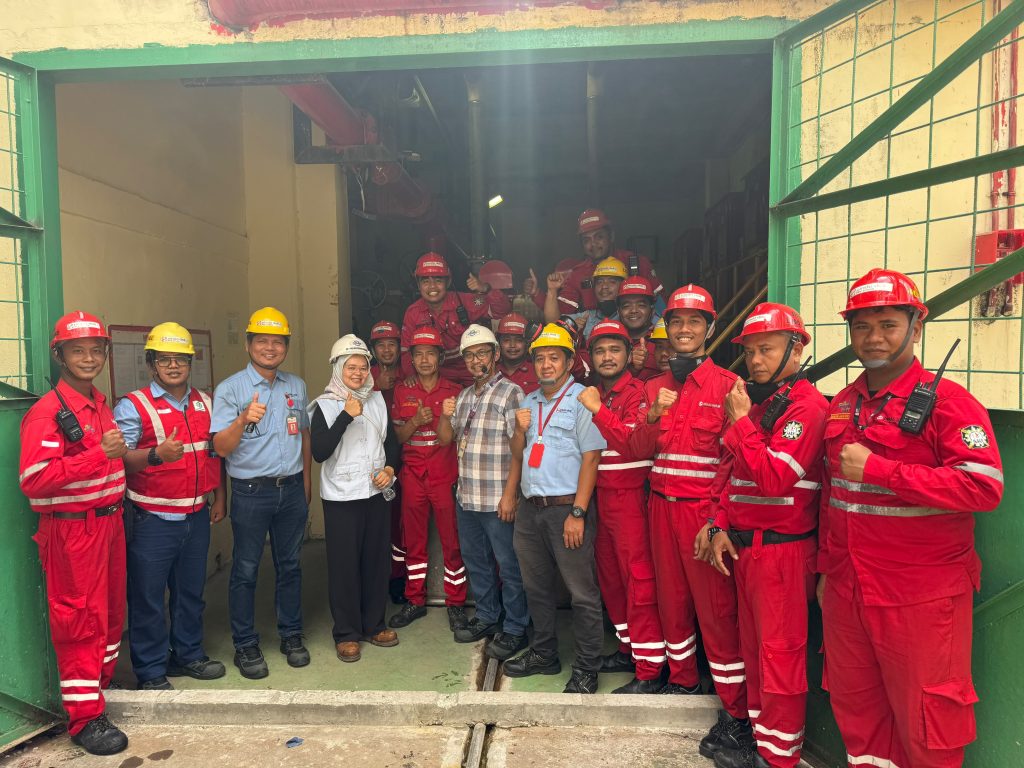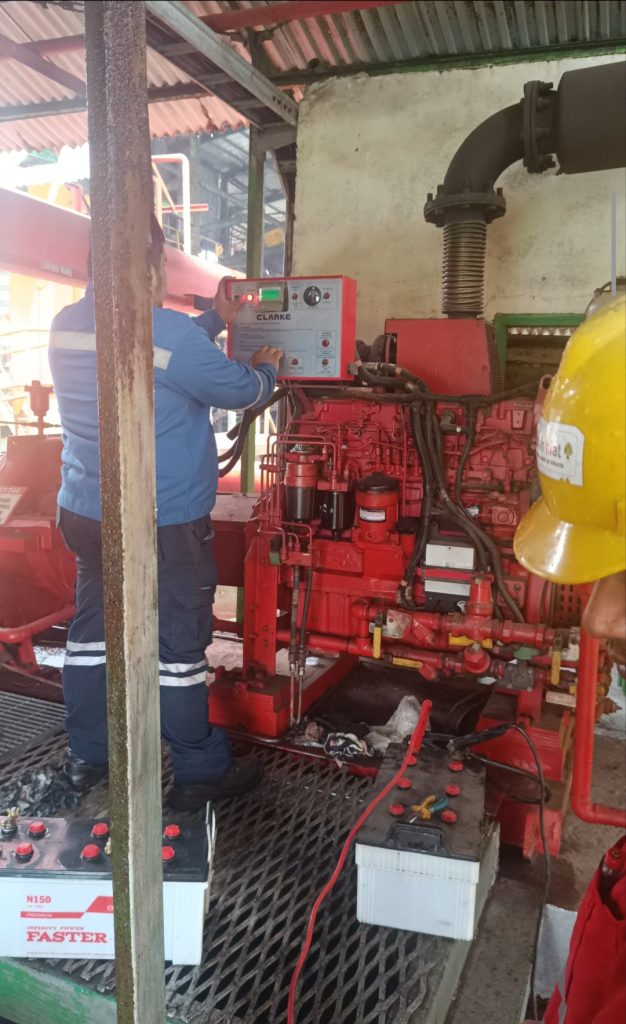


On February 1st to 24th September, 2026 PT Pro Engineering Utama Teams Taking action to repair and installation of a new foam chamber was carried out to restore and enhance the effectiveness of the fire suppression system.
The previous unit was evaluated and found to be no longer compliant with operational and safety requirements. The new foam chamber was installed in accordance with standards set by the National Fire Protection Association (NFPA), ensuring proper positioning, secure mounting, and seamless integration with the existing foam distribution network. This upgrade improves foam discharge performance and overall system readiness.
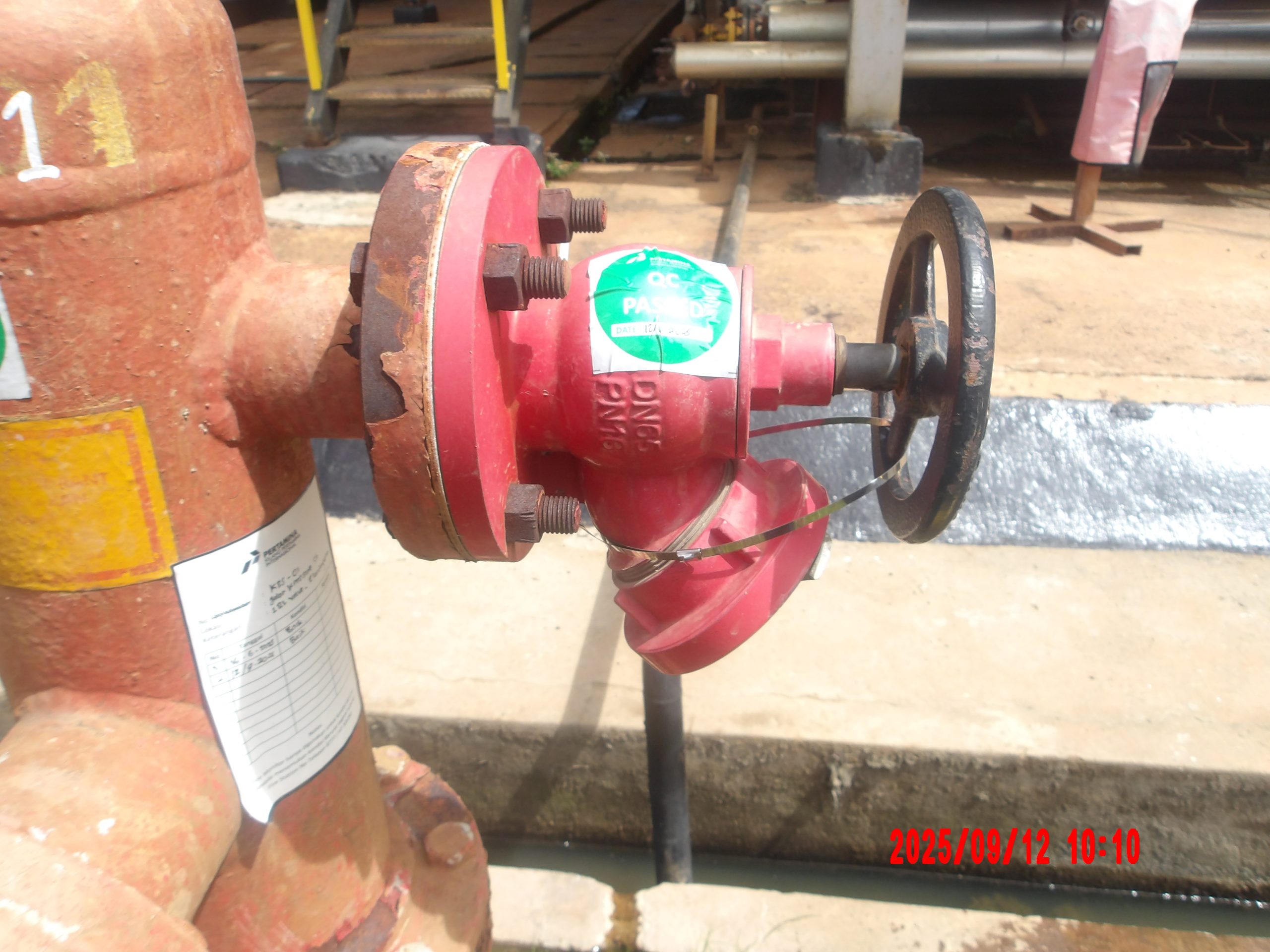
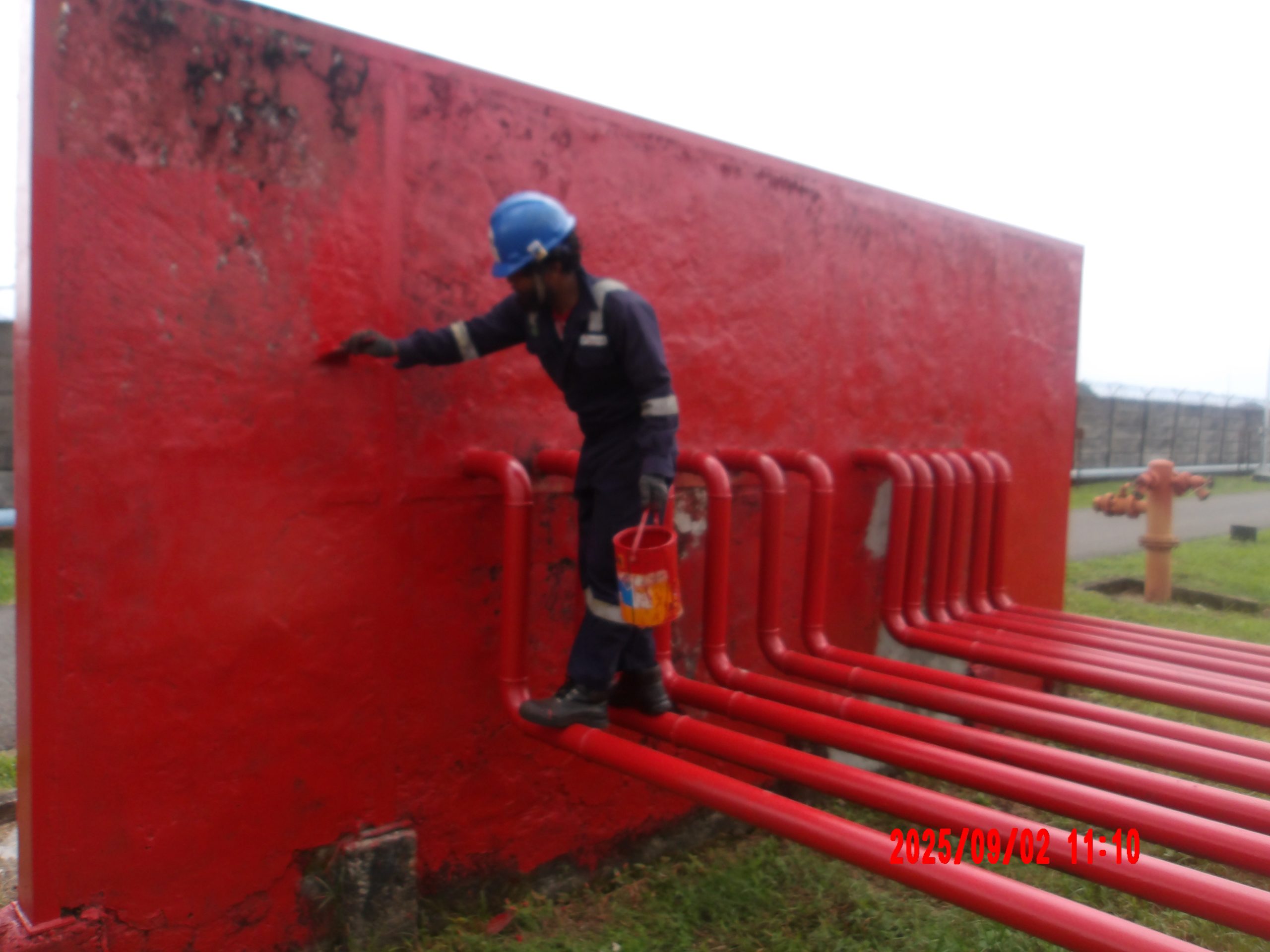
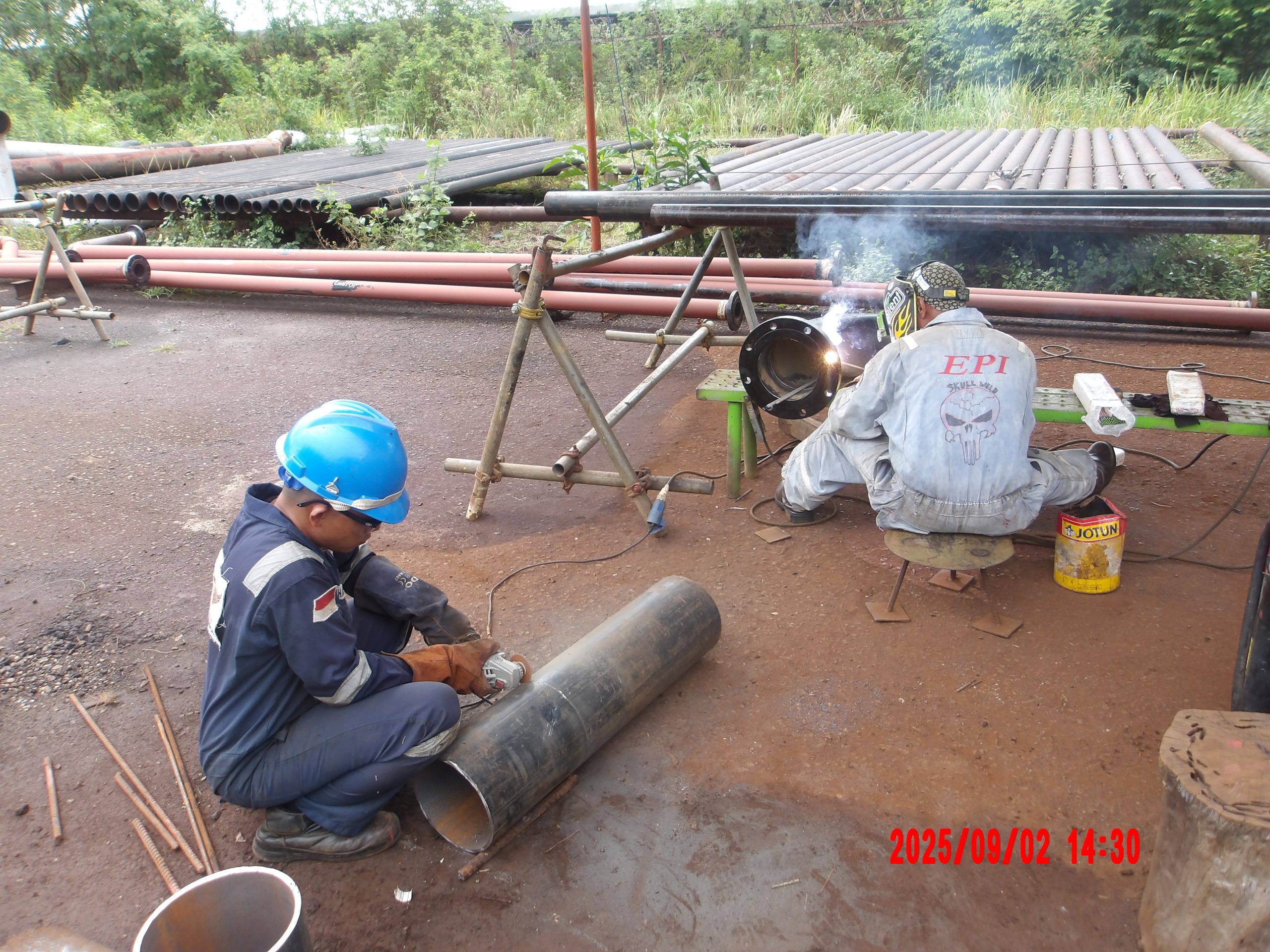
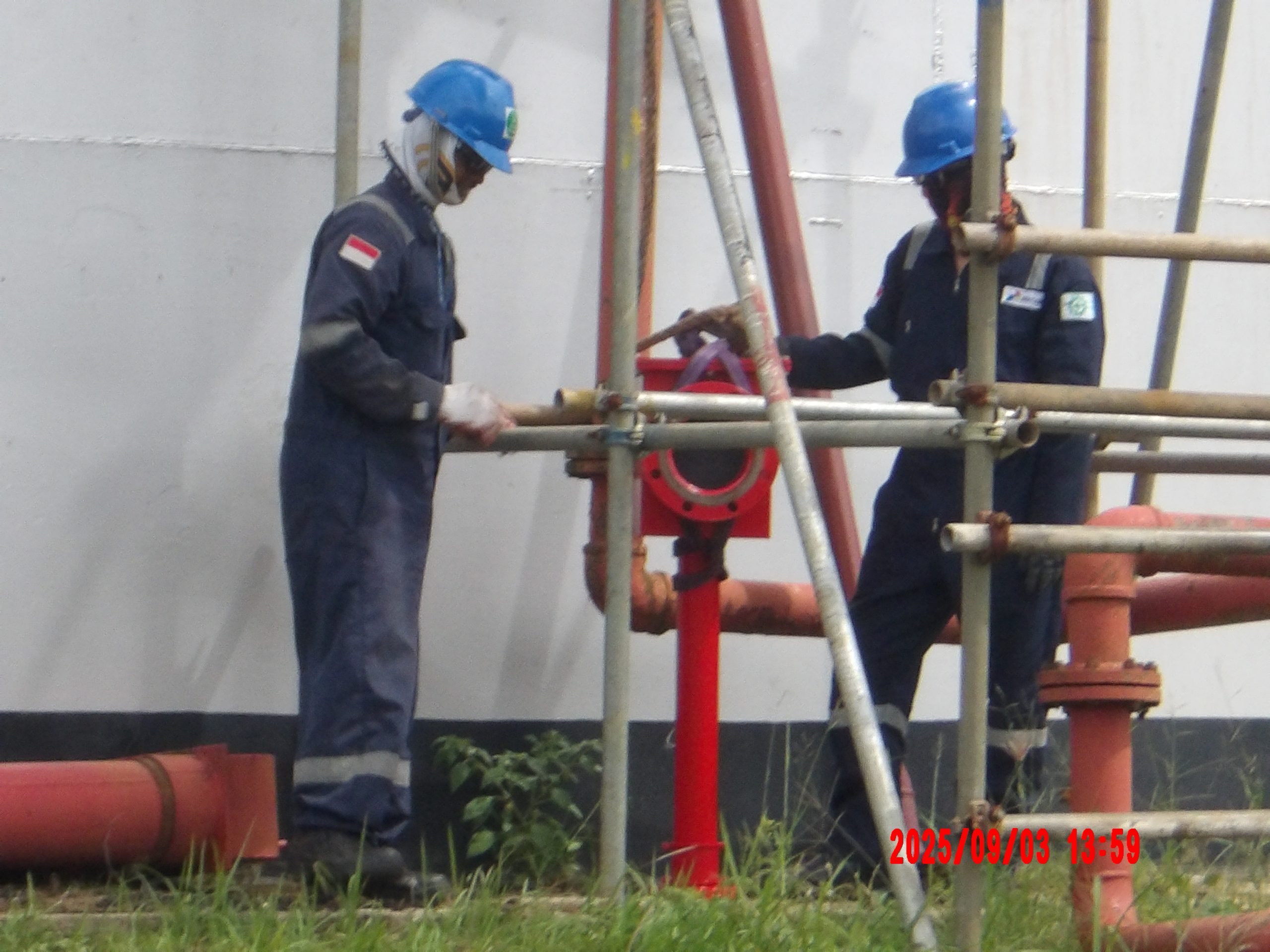
The replacement of the butterfly valve was performed to ensure reliable flow control and system integrity. The new valve installation included proper alignment, sealing, and operational testing to confirm smooth functionality. At the same time, repairs to the fire protection piping system were carried out to resolve issues such as leakage, corrosion, and pressure drops. These works were executed in accordance with NFPA 25, ensuring all components meet the required inspection, testing, and maintenance standards.
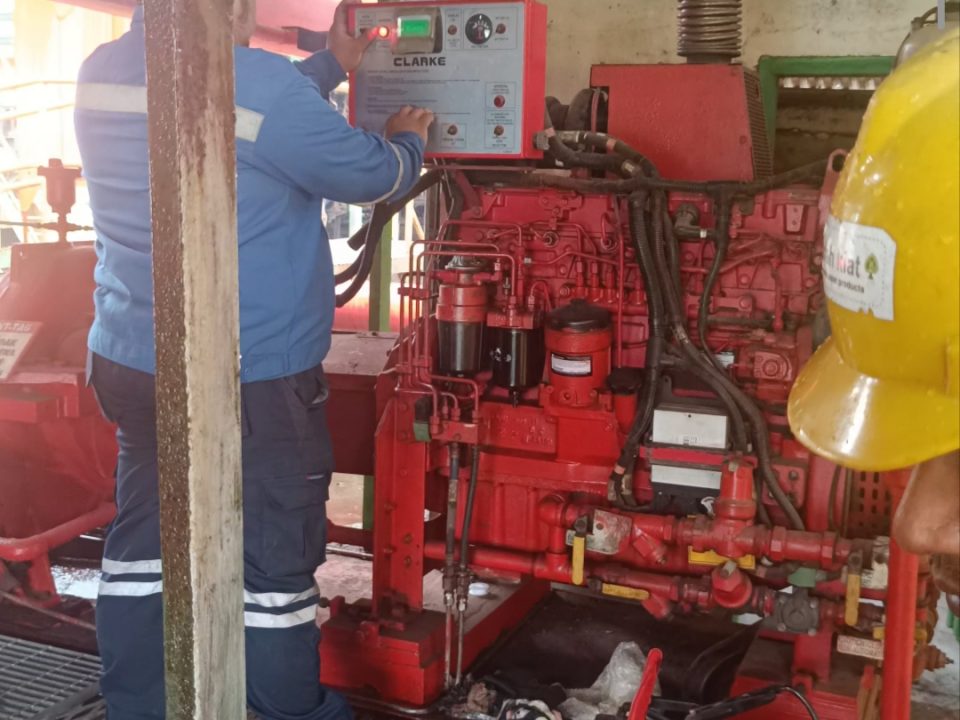
Following the completion of installation and repair works, the entire system underwent comprehensive functional testing and verification. This process ensured that all components operate effectively and meet the required performance standards. The improvements significantly enhance system reliability, minimize potential failures, and ensure compliance with industry safety regulations. Detailed documentation was prepared to support ongoing maintenance and to ensure long-term operational readiness of the fire protection system.
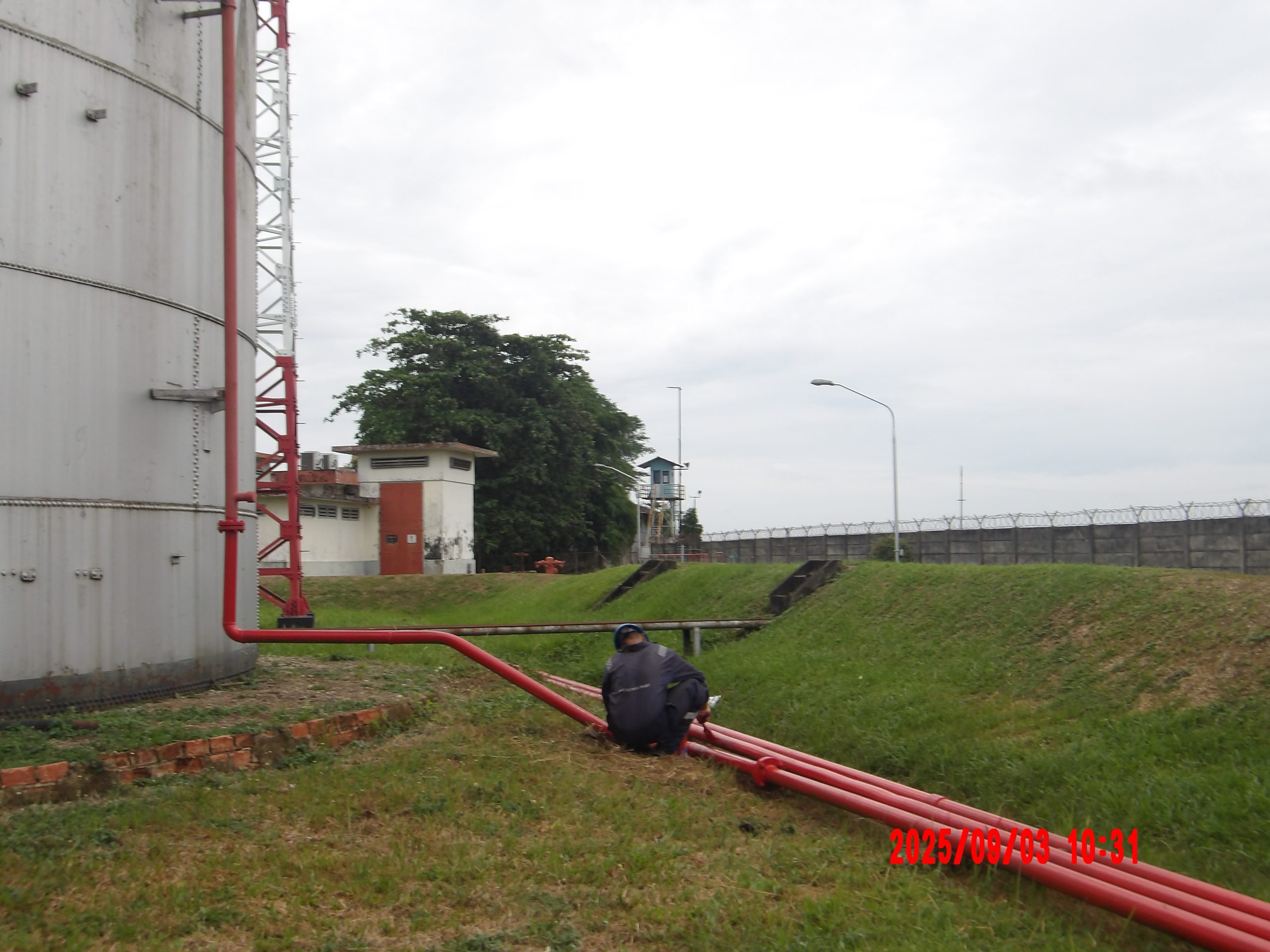
On February 1st to 24th September, 2026 PT Pro Engineering Utama Teams survey of foam chamber installation and butterfly valve inspection is a critical step in ensuring the reliability of fire protection systems in industrial areas, particularly in oil refineries
The survey of foam chamber installation and butterfly valve inspection is a critical step in ensuring the reliability of fire protection systems in industrial areas, particularly in oil refineries. This activity is conducted in accordance with the standards set by the National Fire Protection Association (NFPA), ensuring that all components are installed in compliance with technical specifications and operational requirements. During the survey, the technical team evaluates installation locations, existing tank conditions, and the alignment of system design with identified fire risks.
During the inspection phase, the foam chamber is assessed in terms of installation positioning, mechanical integrity, and connectivity with the foam distribution piping system. Meanwhile, the butterfly valve undergoes a comprehensive inspection covering physical condition, opening and closing functionality, and reliability in controlling fluid flow. These activities are performed in accordance with standards such as NFPA 11 for foam systems and NFPA 25 for inspection, testing, and maintenance of water-based fire protection systems. protection system. service.
The results of the survey and inspection serve as the basis for providing technical recommendations to enhance the overall reliability of the fire protection system. All findings are thoroughly documented to ensure appropriate follow-up actions, including repairs, component replacement, or system adjustments. By adhering to NFPA standards, the installed system is expected to deliver optimal protection and comply with stringent industrial safety requirements.